
Why Mosquito Prevention Needs a Year-Round Approach
In many regions of the United States — including the South, Southeast, West Coast, and Mid-Atlantic — mosquitoes remain active for much longer than they used to. Warmer winters, increased rainfall, and expanding mosquito habitats have extended mosquito seasons by 30–45 days in many states. As a result, homeowners can no longer rely on short-term, summer-only prevention.
A proactive, year-round approach reduces breeding opportunities, prevents early-season infestations, and keeps your home more comfortable and healthier throughout the entire year.
Remove Breeding Sites
Mosquitoes need only ½ inch of standing water to reproduce. By removing stagnant water sources, you significantly decrease the local mosquito population.
Here are the most effective steps:
-
Empty outdoor containers weekly. Toys, buckets, tarps, flowerpot saucers, and grill covers often trap rainwater.
-
Clean gutters and downspouts. Blocked gutters are a major hidden breeding area, especially in warm or humid states.
-
Replace water in birdbaths and pet bowls every 48–72 hours. Stagnant water quickly attracts egg-laying mosquitoes.
-
Fix low-lying yard areas. Fill or regrade spots where water pools after rain.
These simple maintenance tasks can reduce mosquito activity by up to 70%, according to U.S. vector control research.
Improve Home & Yard Protection
Beyond eliminating breeding sites, strengthening your home’s defenses helps prevent mosquitoes from entering and lingering around your property.
Physical Barriers
-
Install and repair window and door screens. Choose 18×16 mesh for best results.
-
Seal small gaps around doors, windows, and attic vents. Even tiny openings allow mosquitoes indoors.
-
Use screened enclosures for porches, patios, and pools — common and highly effective in the Southeast.
Lighting & Landscaping
-
Switch to warm-colored outdoor LED bulbs. They attract fewer insects than cool-white lights.
-
Keep vegetation trimmed and grass well-maintained. Mosquitoes rest in shaded, overgrown areas during the day.
-
Avoid overwatering your lawn. Excess moisture increases breeding risk.
-
Prioritize airflow and spacing over “repellent plants.” While certain plants are marketed as mosquito deterrents, proper maintenance and airflow make a far bigger impact.
Devices That Actually Work (Eco-Friendly Options)
Many U.S. households rely on bug sprays, citronella candles, and fogging treatments — but these tend to offer short-lived or chemical-heavy protection.
More effective, long-term, eco-friendly solutions include:
-
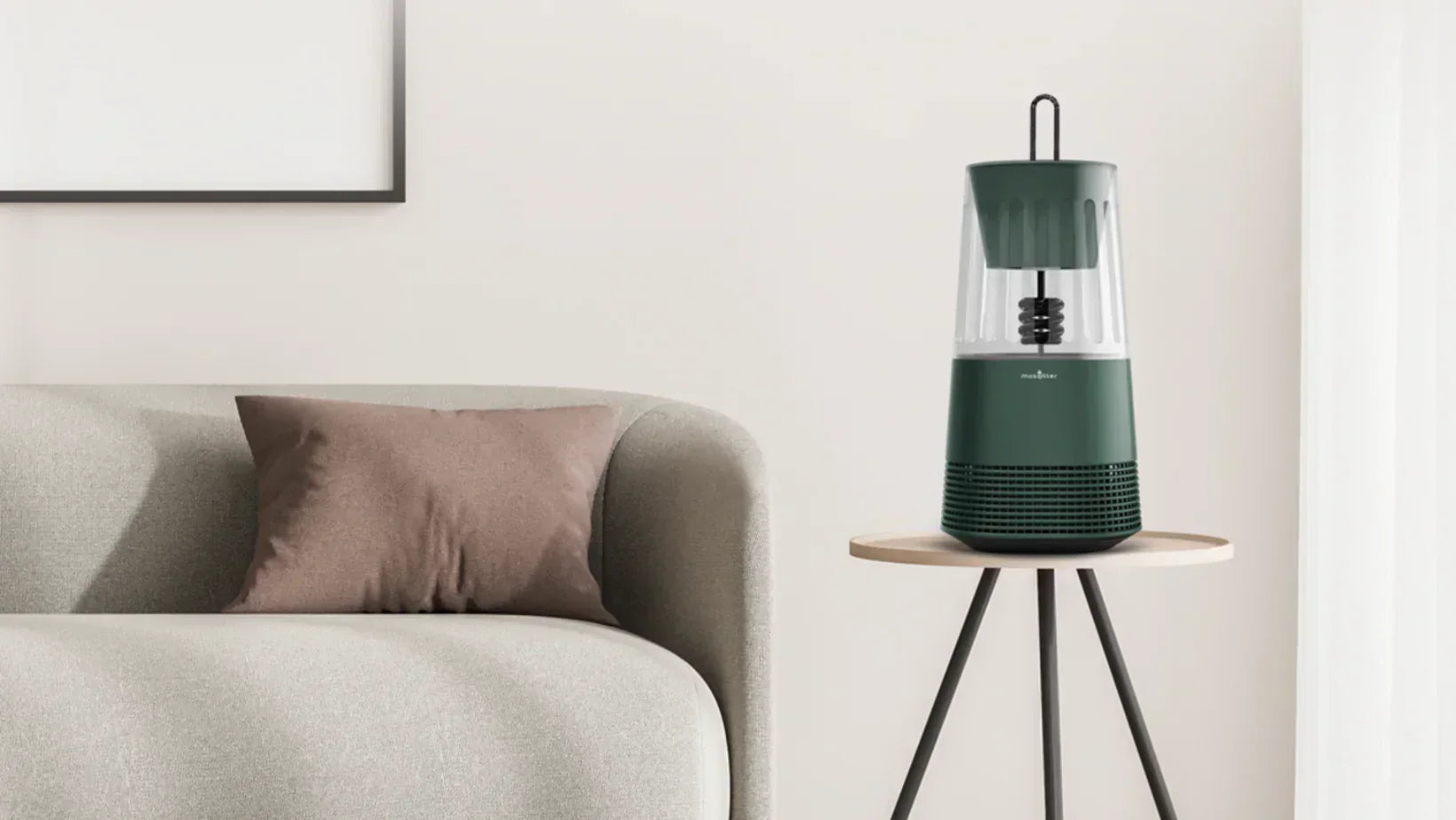
Chemical-free mosquito traps using CO₂ simulation, heat, scent cues, or UV light.
-
Fan-powered traps that physically capture and dehydrate mosquitoes.
-
Outdoor UV + heat devices designed for continuous operation.
-
Smart automated systems that monitor activity levels and adjust performance accordingly.
These options protect families, pets, and wildlife while reducing reliance on insecticides.
Seasonal Checklist (U.S. Version)
A simple seasonal guide helps keep mosquito activity under control all year.
Spring (March–May)
- Clear gutters after winter storms.
- Refresh mulch and remove leftover yard debris.
- Set up traps before temperatures reach 50°F, when mosquitoes begin emerging.
Summer (June–August)
- Inspect for standing water weekly.
- Run mosquito traps daily for consistent coverage.
- Maintain window screens and reduce unnecessary exterior lighting.
Fall (September–November)
- Clear fallen leaves, which trap moisture.
- Store summer equipment to prevent water accumulation.
- Keep traps running as long as temperatures stay above 50°F.
Winter (December–February)
- In warmer states (FL, TX, AZ, CA), continue running traps — mosquitoes remain partially active.
- In cooler regions, winterize outdoor devices.
- Check for new cracks in exterior walls from freeze–thaw cycles.
Final Tips for U.S. Homeowners
-
Consistency beats intensity. Small weekly actions work better than occasional deep cleanups.
-
Avoid heavy chemical foggers, especially around pets and children; many contain lung irritants.
-
Use modern, eco-friendly mosquito devices for long-term, low-maintenance reduction.
-
Focus on prevention before infestation. Stopping breeding early always requires less effort.
With a year-round prevention plan — combining smart landscaping, physical home protection, and safe, modern mosquito-control devices — U.S. homeowners can dramatically reduce mosquito presence and enjoy their outdoor spaces in every season.