

Why Large Areas Require a Different Approach
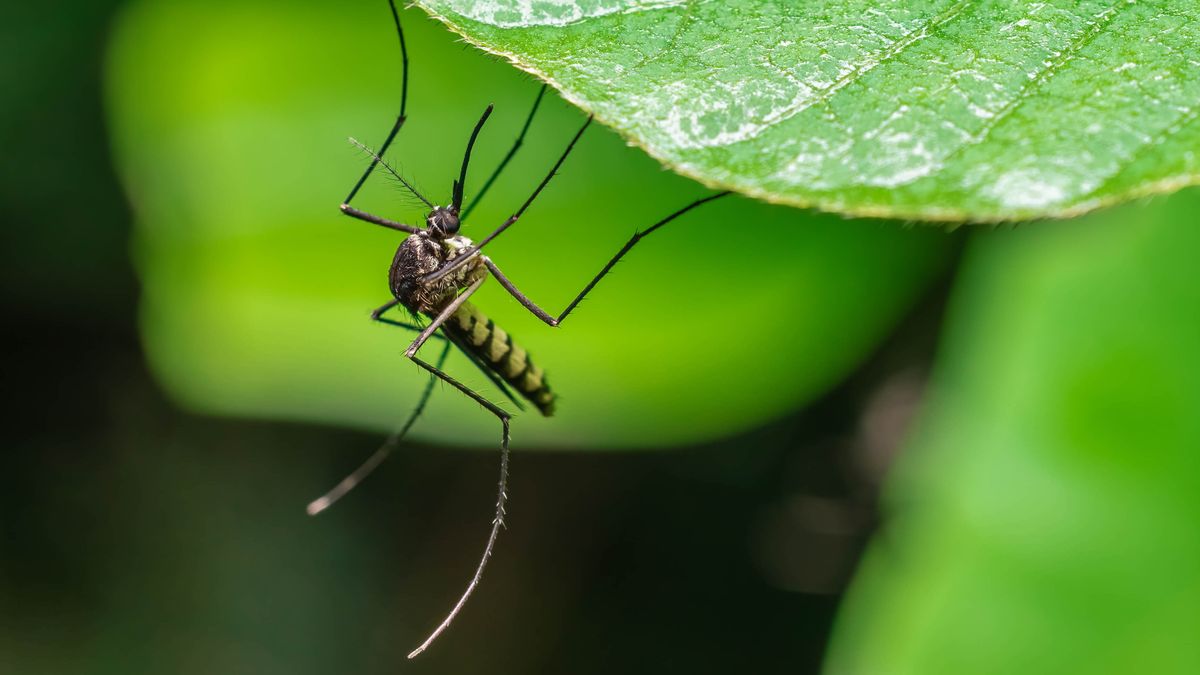
Managing mosquitoes in large outdoor spaces—half-acre backyards, multi-acre estates, farms, and vacation homes—requires a tailored approach. Bigger properties have more vegetation, shaded areas, and hidden water sources, all of which create ideal microhabitats for mosquito breeding.
Research shows that mosquitoes can travel 300–800 feet from their breeding sites, meaning even well-maintained yards may experience mosquito pressure from nearby forests, wetlands, or neighboring properties.
Because of this, effective mosquito control in 2026 relies on layered, data-driven strategies, combining environmental management, targeted trapping, and advanced technologies designed for large-scale coverage.
Key Trends for 2026
Climate Shifts and Longer Mosquito Seasons
Across the U.S., warmer temperatures continue to extend mosquito seasons. In states such as Florida, Texas, Georgia, and California, mosquito activity is expected to last 2–4 weeks longer than historical averages.
In addition, aggressive species like Aedes aegypti are expanding into more states. These mosquitoes breed in tiny water sources, bite throughout the day, and adapt quickly—making traditional nighttime sprays or fogging far less effective.
Rise of Smart Mosquito Control Systems
In 2026, homeowners are increasingly turning to:
-
Multi-attractant traps using heat, UV, scent, and CO₂
-
Smart monitoring apps that analyze mosquito activity
-
Placement optimization based on airflow and environmental data
-
Eco-friendly, chemical-free technologies
These trends are driven by concerns over chemicals, pet safety, pollinator protection, and long-term sustainability.
Core Strategy for Large Yards
A successful mosquito management plan for a 0.5–2 acre yard includes three fundamental pillars.
Landscaping: Designing a Less Attractive Environment
Good landscape practices reduce moisture and shade—two conditions mosquitoes depend on.
Practical steps:
-
Trim dense vegetation to reduce humid, shaded resting spots.
-
Maintain a moderate lawn height to prevent moisture buildup.
-
Improve natural airflow, since mosquitoes avoid breezy locations.
-
Design sun-exposed buffer zones near patios, walkways, and outdoor seating.
Water Control: Eliminating Breeding Sites at Scale
Large yards require a systematic approach to finding and eliminating standing water.
Checklist for 0.5–2 acre properties:
- Fix low spots, drain ditches, and improve runoff management.
- Maintain gutters, downspouts, and French drains to prevent water pooling.
- Empty or refresh birdbaths, buckets, plant trays, fountains, and livestock troughs.
- Aerate ponds or add mosquito-safe biological treatments.
Even a small container with an inch of water can support dozens of larvae.
Perimeter Coverage: The Most Effective Large-Yard Tactic
One of the strongest approaches for large properties is creating a perimeter barrier that reduces mosquito pressure before insects reach living areas.
This strategy involves:
- Placing smart mosquito traps around the property boundary.
- Combining traps with airflow-optimized landscaping.
- Setting devices downwind, where mosquitoes naturally travel.
Field testing shows that distributed perimeter placement catches significantly more mosquitoes than a single central device—especially on yards larger than 0.5 acres.
Technology in 2026
Modern backyard mosquito management is moving toward long-term, eco-friendly methods.
Smart Traps with Multi-Attraction Technology
Advanced traps in 2026 frequently include:
-
Heat signatures that mimic body warmth
-
UV wavelengths tuned to attract mosquitoes
-
Human-like scent cues
-
Optional CO₂ modules for high-attraction species
-
Mobile app integration for monitoring
These devices are popular for large properties because they gradually reduce mosquito populations instead of simply repelling them.
Eco-Friendly Solutions Take Priority
Homeowners increasingly prefer:
-
Chemical-free mosquito control options
-
Solar-supported devices
-
Recyclable or no-touch trapping nets
-
Low-maintenance outdoor units
This shift reflects higher eco-consciousness and concerns about long-term chemical exposure.
How to Position Devices for Maximum Effect
Correct placement is one of the most critical components of mosquito control for large outdoor spaces.
Best practices for 2026:
- Position traps 30–60 feet away from patios, grills, and seating areas.
- Place units in shaded or semi-shaded zones where mosquitoes rest.
- Install devices along the property perimeter, not next to the home.
- Put traps downwind, since mosquitoes travel with airflow.
- Avoid bright competing lights or high-traffic areas.
- For properties over 1 acre, use multiple devices spaced around the boundary.
Optimized placement can increase trap effectiveness by 30–50% according to real-world field tests.
Conclusion
Large yards require a smarter, more comprehensive mosquito control strategy than small residential spaces. In 2026, the most reliable approach combines:
- Thoughtful landscaping and airflow optimization
- Systematic water-source management
- Perimeter-based protection
- Smart, eco-friendly trapping technologies
While no method can guarantee complete mosquito elimination, following a layered plan significantly lowers mosquito pressure and enhances outdoor comfort. With the right setup and strategic placement, homeowners can enjoy their large yards throughout the mosquito season with far fewer interruptions.

