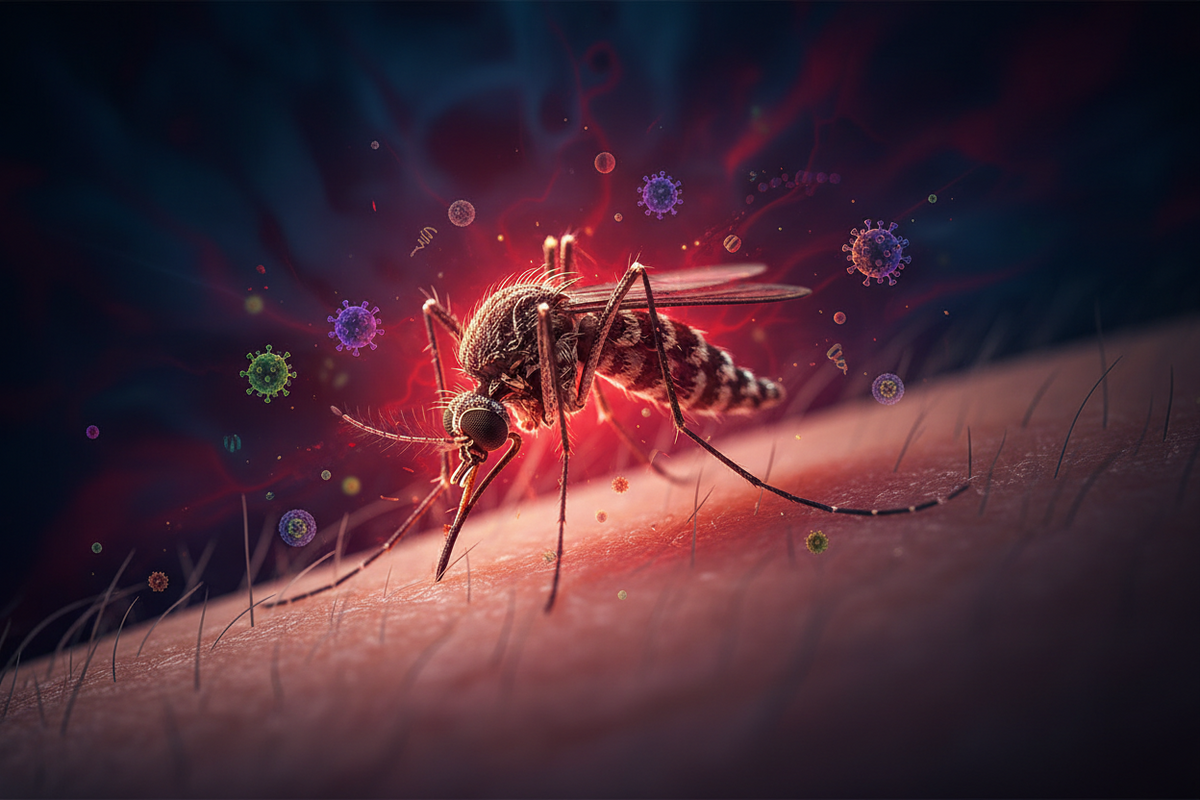

If you’ve ever spent a summer in Florida, Texas, or along the Gulf Coast, you know one thing for sure: mosquitoes aren’t just annoying—they can take over your entire outdoor life.
High humidity, warm temperatures, and abundant standing water create the perfect breeding conditions for massive mosquito populations. During peak season, it can feel impossible to enjoy your yard, patio, or evening walks.
In this guide, we’ll break down how to survive mosquito season in humid U.S. states, with practical, science-backed strategies that actually work.
Why Mosquitoes Thrive in High-Humidity States
States like Florida and Texas offer an ideal environment for mosquitoes due to three key factors:
1. Constant Moisture
Mosquitoes need water to reproduce. In humid regions, standing water is everywhere—from puddles and gutters to plant trays and storm drains.
2. Warm Temperatures Year-Round
Unlike northern states, mosquito activity in the South lasts much longer. In some areas, it’s nearly year-round.
3. Dense Vegetation
Shaded, humid vegetation provides perfect resting spots for mosquitoes during the day.
The combination of heat + humidity accelerates their life cycle, meaning more mosquitoes, faster reproduction, and longer seasons.
When Is Peak Mosquito Season?
Peak mosquito activity typically occurs:
- Late spring through early fall
- After heavy rains or storms
- During periods of high humidity and low wind
In places like Florida, peak season can feel almost continuous, especially in coastal and swampy regions.
7 Proven Ways to Survive Mosquito Season
1. Eliminate Standing Water (Your #1 Priority)
Even small amounts of water can become breeding grounds. Check regularly:
- Buckets and containers
- Flower pots and trays
- Gutters and drains
- Bird baths and fountains
Tip: Empty or refresh water sources at least once a week.
2. Use Mosquito Traps Strategically
Modern mosquito traps can significantly reduce populations when used correctly. They attract mosquitoes using CO₂, heat, or scent and capture them before they reach you.
For best results:
- Place traps away from your main living area
- Position them near breeding zones
- Keep them running continuously
Over time, traps help break the mosquito lifecycle and reduce overall density.
3. Optimize Your Yard Layout
Your yard setup directly affects mosquito activity. Improve airflow and reduce hiding spots:
- Trim bushes and tall grass
- Remove yard clutter
- Increase sunlight exposure where possible
Mosquitoes prefer dark, humid, and still environments.
4. Dress Smart Outdoors
Clothing can make a big difference:
- Wear light-colored clothes
- Choose long sleeves and pants in the evening
- Avoid dark, heat-retaining fabrics
Mosquitoes are attracted to heat and dark colors.
5. Time Your Outdoor Activities
Mosquitoes are most active during:
- Dawn
- Dusk
If possible, schedule outdoor activities during midday when mosquito activity is lower.
6. Use Fans and Air Movement
Mosquitoes are weak flyers. Even moderate airflow can keep them away.
- Install outdoor fans on patios
- Create cross-breezes in seating areas
This simple trick is surprisingly effective in humid climates.
7. Combine Multiple Methods (Layered Defense)
No single solution is perfect. The best results come from combining:
- Source reduction (water removal)
- Traps
- Physical barriers (clothing, airflow)
This creates a multi-layer protection system that significantly reduces mosquito pressure.
Common Mistakes in Humid Climates
Avoid these frequent errors:
- ❌ Relying only on sprays or repellents
- ❌ Ignoring hidden water sources
- ❌ Placing traps too close to people
- ❌ Not maintaining yard vegetation
Mosquito control is about consistency and strategy, not quick fixes.
How Long Until You See Results?
In high-humidity regions, mosquito populations are more aggressive, so results take time:
- First improvements: 2–3 days
- Noticeable reduction: 1–2 weeks
- Significant control: 3–4 weeks
With 3–4 weeks of continuous operation, the system effectively interrupts the mosquito reproduction cycle, leading to a noticeable reduction in population. Consistency is key—especially during peak season.
Final Thoughts
Surviving mosquito season in states like Florida and Texas isn’t about eliminating every mosquito—it’s about reducing their numbers to a manageable level.
By understanding how mosquitoes behave in humid environments and applying the right strategies, you can reclaim your outdoor space and enjoy summer again.
The key takeaway: control the environment, use smart tools, and stay consistent.