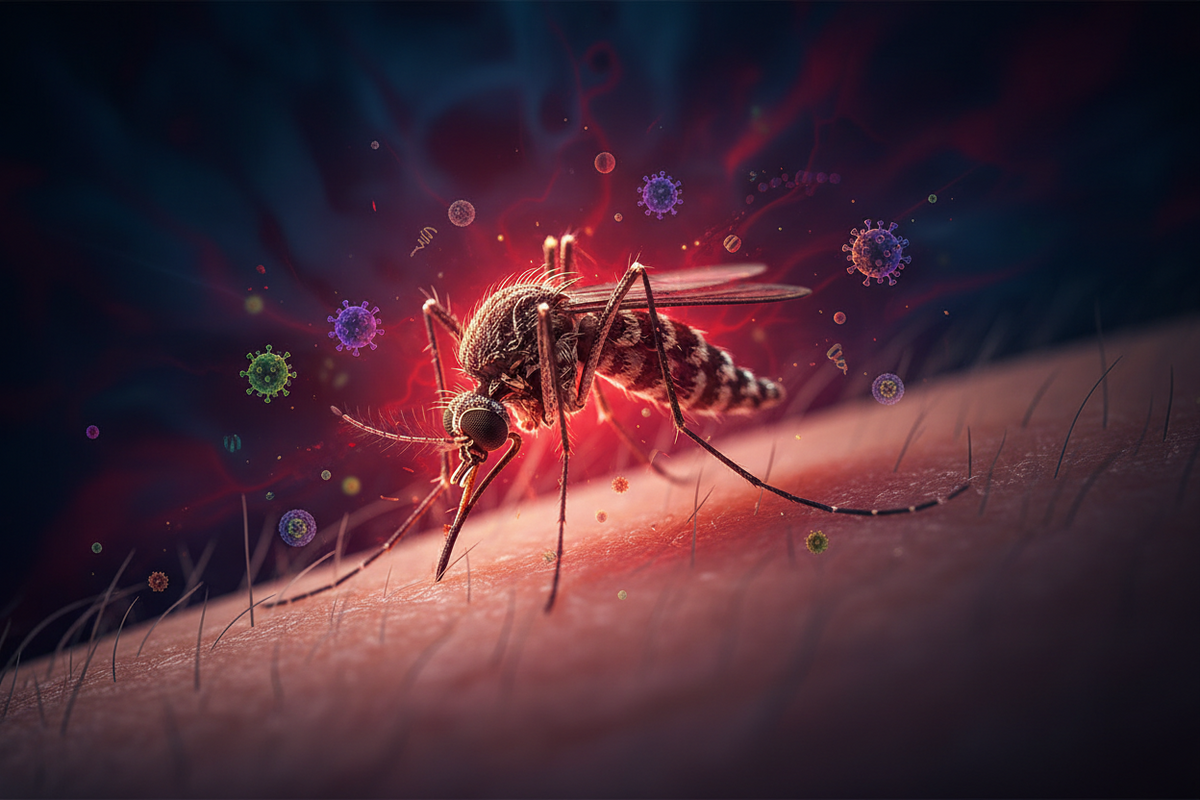

Mosquitoes are more than just a nuisance—they can disrupt outdoor life and even pose health risks. With so many products and DIY remedies promising protection, it’s hard to know what actually works.
From ultrasonic devices to citronella candles and homemade sprays, myths about mosquito control are everywhere.
In this article, we break down the most popular mosquito control methods and examine them from a scientific perspective—so you can separate fact from fiction.
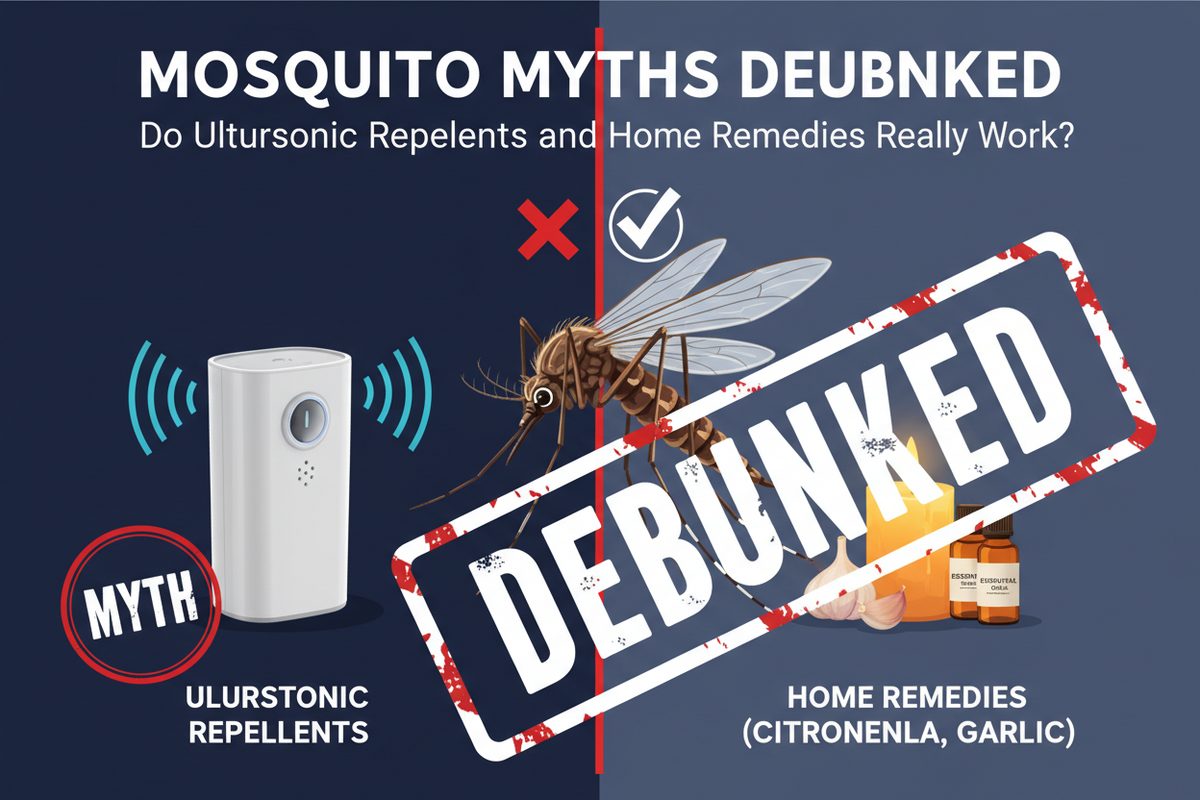
Myth #1: Ultrasonic Mosquito Repellents Keep Mosquitoes Away
Claim: Devices that emit ultrasonic sound waves repel mosquitoes effectively.
Reality: There is no reliable scientific evidence that ultrasonic repellents work.
Multiple studies have shown that mosquitoes are not significantly affected by high-frequency sound waves. Organizations like public health agencies and independent researchers consistently conclude that these devices do not reduce mosquito bites.
Verdict: ❌ Ineffective
Myth #2: Citronella Candles Are Highly Effective
Claim: Burning citronella candles keeps mosquitoes away from your entire outdoor area.
Reality: Citronella can provide limited, short-range protection, but only under specific conditions.
The effect works mainly in still air and within a small radius. In windy or open environments, the protection drops significantly.
Verdict: ⚠️ Slightly effective (limited range)
Myth #3: Natural Oils (Lavender, Eucalyptus, etc.) Are as Effective as Repellents
Claim: Essential oils can replace standard mosquito repellents.
Reality: Some natural oils show mild repellent properties, but they:
- Evaporate quickly
- Require frequent reapplication
- Provide inconsistent protection
Compared to proven repellents, their effectiveness is significantly lower.
Verdict: ⚠️ Weak and temporary
Myth #4: DIY Remedies (Garlic, Vinegar, Wristbands) Work
Claim: Home remedies like eating garlic or wearing anti-mosquito bands prevent bites.
Reality: There is little to no scientific support for these methods.
Mosquito attraction is driven by factors like CO₂, body heat, and skin chemicals—not garlic consumption or accessories.
Verdict: ❌ Myth
Myth #5: Bug Zappers Solve Mosquito Problems
Claim: Electric bug zappers eliminate mosquitoes effectively.
Reality: Most bug zappers kill non-biting insects, not mosquitoes.
Mosquitoes are attracted to CO₂ and scent—not light. As a result, zappers are largely ineffective for mosquito control.
Verdict: ❌ Misleading solution
What Actually Works (Science-Backed Methods)
Now that we’ve debunked these myths, let’s focus on strategies that are proven to reduce mosquito populations.
1. Source Reduction (Eliminate Breeding Sites)
Removing standing water is the most effective long-term solution. Without water, mosquitoes cannot reproduce.
2. CO₂-Based Mosquito Traps
Modern traps mimic human breathing and attract mosquitoes using carbon dioxide and heat.
They work by:
- Luring mosquitoes away from people
- Capturing them before they bite
- Reducing overall population over time
3. Physical Barriers and Airflow
- Outdoor fans reduce mosquito activity
- Protective clothing lowers exposure
4. Consistent Strategy
No single method is enough. The best results come from combining multiple approaches into a layered defense system.
Why So Many Myths Exist
Mosquito control is a multi-billion-dollar industry. Many products rely on marketing claims rather than scientific validation.
People also prefer quick and easy solutions—but effective mosquito control requires understanding behavior and lifecycle, not shortcuts.
Final Thoughts
When it comes to mosquitoes, not all solutions are created equal.
- Ultrasonic repellents? ❌ Don’t work
- Home remedies? ❌ Mostly myths
- Citronella? ⚠️ Limited help
- Scientific approaches? ✅ Proven results
If you want real protection, focus on evidence-based methods and avoid wasting time and money on ineffective solutions.