
Mosquitoes can turn any outdoor space into an uncomfortable and even unsafe environment. Whether you're hosting a backyard gathering or simply enjoying a quiet evening outside, proper mosquito control is essential. One of the most effective strategies is using a mosquito trap—but placement is everything.
In this guide, we’ll explain the 50-foot (15-meter) rule, why it works, and how to choose the best location for your mosquito trap to maximize results.
What Is the 50-Foot (15-Meter) Rule?
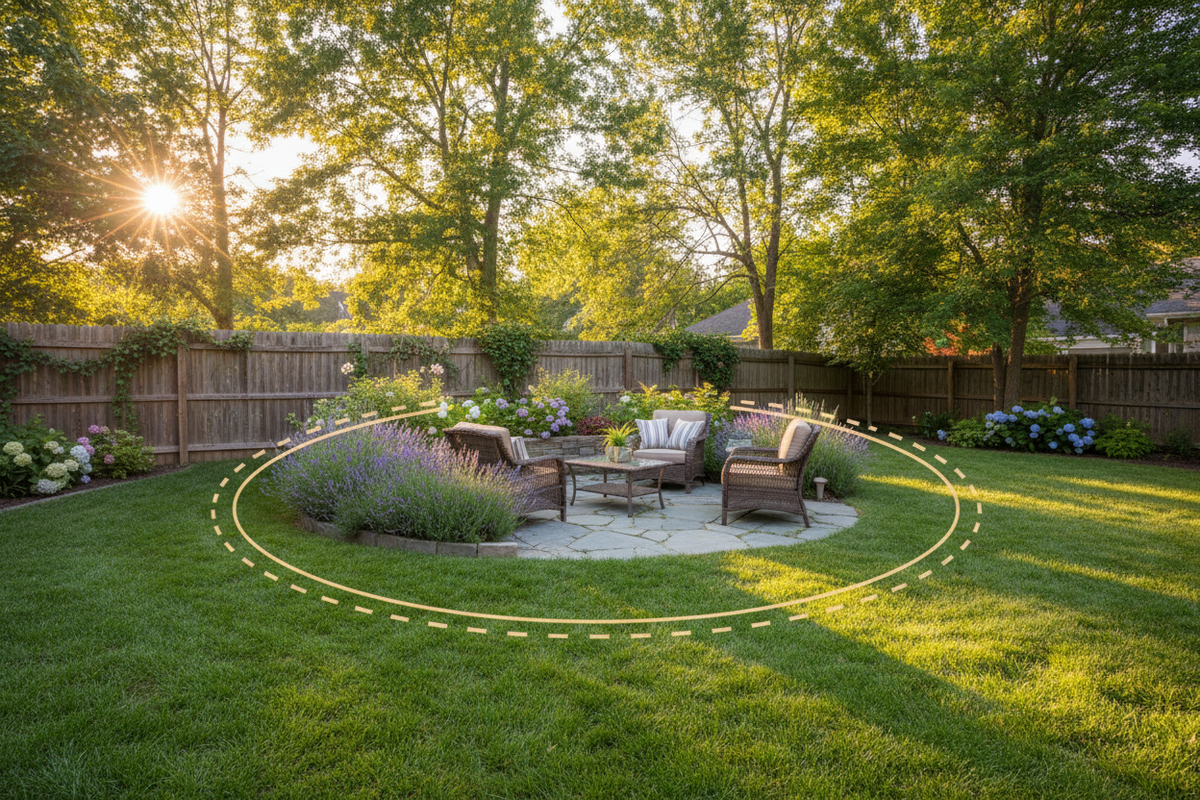
The 50-foot (15-meter) rule is a simple yet powerful guideline: place your mosquito trap approximately 50 feet (15 meters) away from the area you want to protect (such as your patio, deck, or seating zone).
Why this distance?
Mosquito traps are designed to attract mosquitoes away from people, not directly where you sit. If placed too close, the trap may actually increase mosquito activity near you before capturing them.
Why Proper Placement Matters
Mosquito traps mimic human presence by emitting CO₂, heat, or scent attractants. This means they actively lure mosquitoes toward the device.
If the trap is incorrectly placed:
- You may attract more mosquitoes into your living space
- Trap efficiency decreases significantly
- You won’t break the mosquito breeding cycle effectively
Correct placement ensures:
- Mosquitoes are intercepted before reaching you
- The population gradually declines
- Outdoor comfort improves over time
Best Locations for Installing a Mosquito Trap
1. Downwind from Your Activity Area
Mosquitoes follow scent trails carried by the wind. Position your trap downwind from where people gather so it pulls mosquitoes away from you.
2. Near Mosquito Breeding Zones
Place the trap close to areas where mosquitoes are likely to breed or rest:
- Standing water (ponds, gutters, drains)
- Dense vegetation or shrubs
- Shaded and humid areas
This increases the likelihood of capturing mosquitoes early in their lifecycle.
3. In Shaded, Protected Areas
Mosquitoes avoid direct sunlight and strong wind. Install your trap in:
- Shaded corners of the yard
- Under trees or bushes
- Areas protected from heavy wind
4. On Flat, Stable Ground
Ensure the trap is placed on a stable surface to maintain consistent operation and avoid tipping or damage.
Common Mistakes to Avoid
Even a high-quality mosquito trap won’t perform well if placed incorrectly. Avoid these common errors:
- ❌ Placing the trap too close to seating areas
- ❌ Installing it in direct sunlight
- ❌ Ignoring wind direction
- ❌ Blocking airflow around the trap
- ❌ Moving the trap too frequently
Consistency is key—once you find the right spot, leave it there for optimal results.
How Long Does It Take to See Results?
Mosquito control is not instant. Most traps require:
- 24–48 hours to begin reducing activity
- 1–2 weeks for noticeable improvement
- 3–4 weeks for significant population control
For best results, keep the trap running continuously during mosquito season.
Pro Tips for Maximum Effectiveness
- Use traps early in the season before populations peak
- Combine with basic prevention (remove standing water)
- Avoid competing attractants like strong outdoor lighting nearby
- Maintain and clean the trap regularly
Conclusion
The 50-foot (15-meter) rule is one of the simplest and most effective ways to improve mosquito control on your property. By placing your trap at the right distance and in the right conditions, you can dramatically reduce mosquito presence and enjoy your outdoor space again.
Remember: mosquito traps work best when they attract insects away from you—not toward you.