
Why Mosquitoes Are More Than Just a Nuisance
Mosquitoes are often dismissed as a minor annoyance during the warmer months. In reality, they are among the most dangerous creatures in the world due to their ability to transmit serious diseases. In the United States, mosquito-borne diseases remain a public health concern, especially as mosquito activity increases in spring and summer.
Understanding the risks associated with mosquito bites is the first step toward protecting your health, your family, and your home.
How Mosquitoes Transmit Diseases
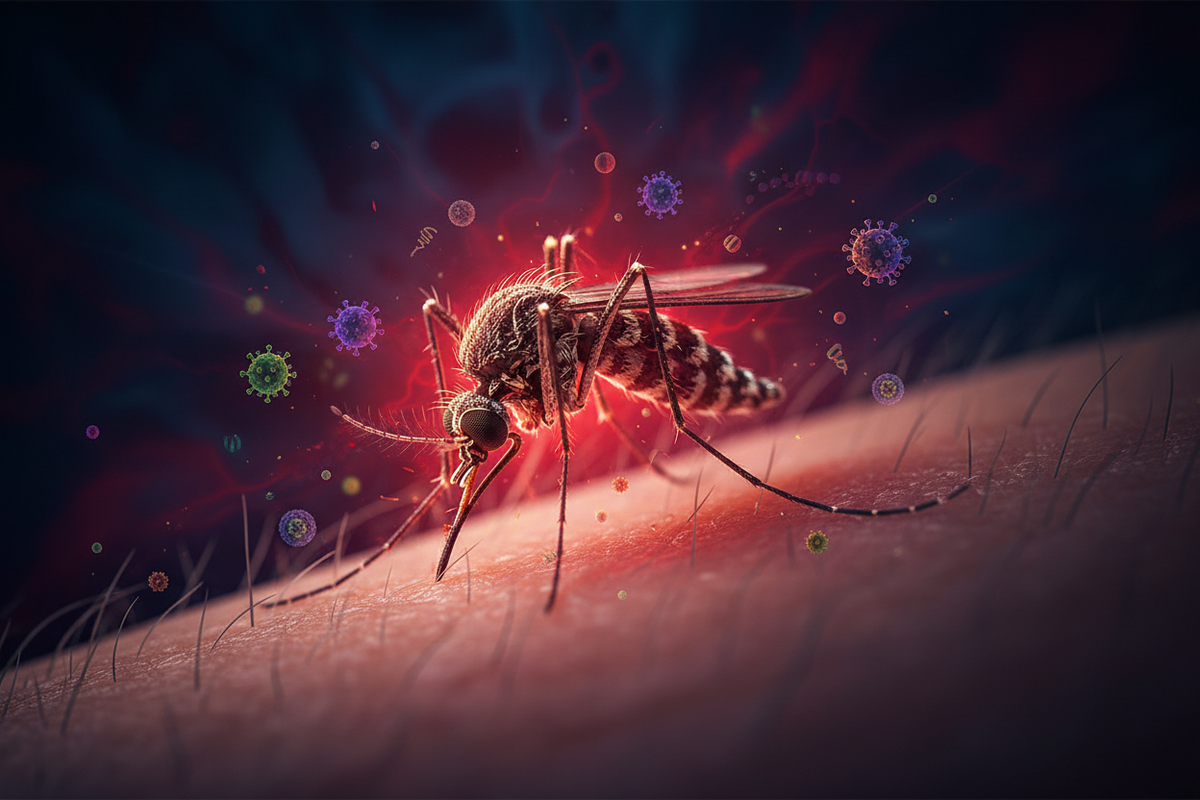
Mosquitoes become carriers of disease after feeding on infected hosts, including humans, birds, and other animals. When an infected mosquito bites another person, it can transmit viruses or parasites directly into the bloodstream.
Not all mosquitoes carry diseases, but certain species are known vectors of harmful pathogens. Once infected, a mosquito can spread disease throughout its entire lifespan, making even a single bite potentially dangerous.
Most Common Mosquito-Borne Diseases in the US
West Nile Virus
West Nile virus is the most common mosquito-borne disease in the United States and is primarily spread by Culex mosquitoes.
Most people infected with West Nile virus experience no symptoms. However, in more severe cases, it can lead to neurological complications such as inflammation of the brain or spinal cord.
Eastern Equine Encephalitis (EEE)
Although rare, Eastern Equine Encephalitis (EEE) is one of the most severe mosquito-borne diseases in the US. It has a high fatality rate and can cause significant brain inflammation.
Outbreaks are uncommon but serious, typically occurring in specific regions during late summer and early fall.
Zika Virus
Zika virus gained global attention due to its link to birth defects. While cases in the US are relatively low and often associated with travel, local transmission has occurred in the past.
Pregnant women are particularly at risk, as the virus can affect fetal development.
Dengue Fever
Dengue fever is more common in tropical and subtropical regions but has been reported in parts of the United States, particularly in Florida and Texas.
Symptoms may include high fever, severe headaches, joint pain, and rash. In severe cases, dengue can become life-threatening and require immediate medical care.
Malaria (Imported Cases)
Malaria is not commonly transmitted within the United States today. However, cases still occur due to international travel, and rare local transmissions have been reported.
Globally, malaria remains one of the most serious mosquito-borne diseases.
Symptoms to Watch For After a Mosquito Bite
Most mosquito bites are harmless, but certain symptoms may indicate a more serious infection. Watch for the following:
If any of these symptoms appear within days or weeks after a mosquito bite, it is important to seek medical attention promptly.
Who Is Most at Risk
Some groups are more vulnerable to mosquito-borne diseases and may experience more severe outcomes:
Geographic location, climate, and seasonal exposure also play a significant role in determining risk levels.
How to Prevent Mosquito-Borne Diseases
Preventing mosquito bites is the most effective way to reduce the risk of infection. Key prevention strategies include:
Combining multiple prevention methods provides the highest level of protection.
Why Prevention at Home Matters Most
Mosquitoes often breed close to where people live. Backyards, patios, gardens, and nearby water sources can quickly become mosquito hotspots.
By reducing mosquito populations around your home, you significantly lower the risk of bites and potential disease transmission. Modern mosquito control solutions make it possible to protect your living space effectively, often without relying heavily on chemical treatments.
FAQ
What diseases do mosquitoes carry in the US?
The most common mosquito-borne diseases in the US include West Nile virus, Eastern Equine Encephalitis (EEE), Zika virus, and dengue. Malaria cases are typically travel-related.
Can you get seriously ill from a mosquito bite?
Yes. While most bites are harmless, some can transmit diseases that lead to serious or even life-threatening complications.
Are mosquito-borne diseases increasing in the US?
In some regions, yes. Factors such as climate changes and expanding mosquito habitats contribute to increased risks.
How soon do symptoms appear after a mosquito bite?
Symptoms can develop within a few days to up to two weeks, depending on the specific disease.
What is the best way to prevent mosquito bites?
The most effective approach is a combination of reducing mosquito populations around your home and using personal protective measures.